
What Is Happening? (Overview)
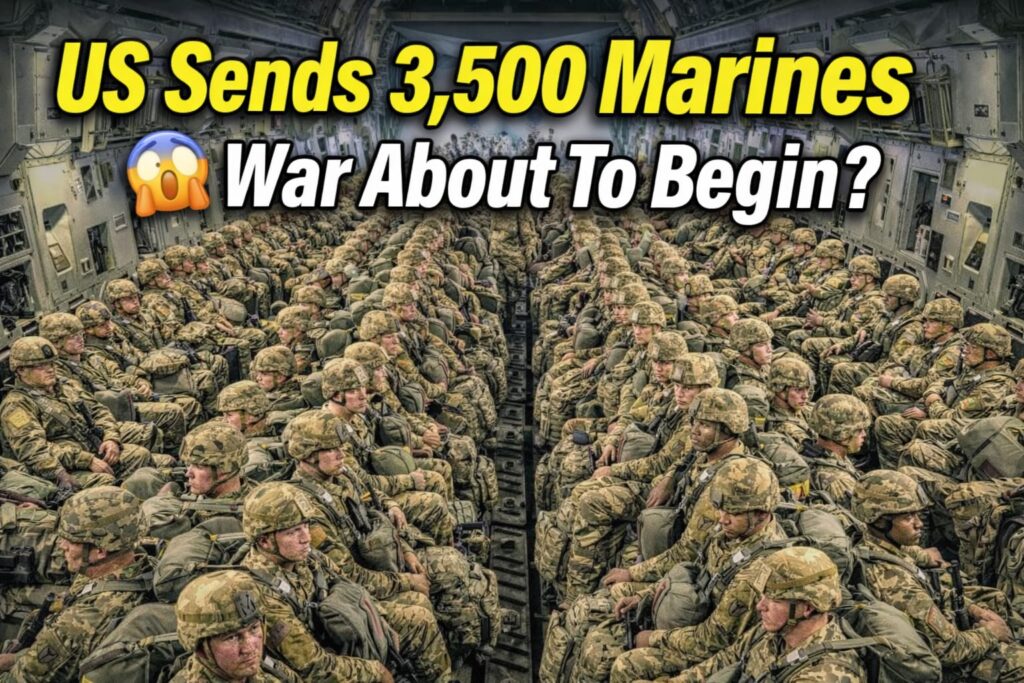
When I looked at the latest updates on US troops in Middle East 2026, I immediately realized this is not just another routine military movement. In my analysis, the sudden deployment of 3,500 Marines clearly signals a deeper strategic escalation.
In my analysis of US troops in Middle East 2026, the situation is escalating much faster than expected.
When I analyzed this situation, I noticed similarities with recent global tensions, especially in my detailed coverage of 👉 Russia gasoline export ban April 2026 impact.
The United States has deployed around 3,500 Marines and sailors to the Middle East as tensions with Iran intensify. This move adds to an already massive military presence of 50,000+ US troops in the region, marking one of the largest build-ups in nearly two decades.
What surprised me was how quickly troop numbers have surged within just a few weeks — signaling that this is no longer just a limited conflict.
👉 US Troops in Middle East 2026: Latest Deployment Update
When I closely tracked the latest developments around US troops in Middle East 2026, I noticed a sharp and strategic increase in military presence that goes beyond routine deployment.
The United States has now deployed around 3,500 Marines and sailors into the region, adding to an already significant force of over 50,000 troops. In my analysis, this is one of the largest military buildups in recent years, signaling heightened readiness rather than just precaution.
What stood out to me was the speed of this escalation. Within a short span, troop numbers have increased alongside the deployment of warships, paratroopers, and rapid-response Marine units — a pattern typically seen before major geopolitical turning points.
From an operational perspective, these forces are part of a Marine Expeditionary Unit (MEU), which is designed for:
- Rapid combat deployment
- Crisis response
- Securing strategic locations
I believe this latest update on US troops in Middle East 2026 clearly indicates that the situation is moving toward a more serious phase, even though no official ground war has been confirmed yet.
Key Details / Background
This sharp rise in US troops in Middle East 2026 indicates a structured military buildup rather than a temporary deployment. In my analysis, this deployment is not a standalone move — it’s part of a multi-phase military buildup.
🔹 Key Confirmed Facts:
- Around 3,500 Marines & sailors deployed via USS Tripoli
- Total US military presence now exceeds 50,000 troops
- Additional paratroopers and Marine units also sent recently
- Earlier deployments included 2,500 Marines + warships
🔹 What This Means:
- These troops are part of a Marine Expeditionary Unit (MEU)
- MEUs are designed for:
- Rapid assault operations
- Evacuations
- Securing key infrastructure
When I compared this with past US operations, this kind of deployment usually signals preparation for possible ground operations, even if not officially confirmed.
Reports from 👉 Moneycontrol confirm that total US troop presence has crossed 50,000 in the region.
👉 Important:
There is NO official confirmation yet of a full ground invasion — but preparations are clearly underway.
According to 👉 NDTV’s report, the US deployed 3,500 Marines as part of a broader military buildup in the region.
Why This Matters
The growing presence of US troops in Middle East 2026 is directly linked to global oil security and geopolitical stability. From an expert perspective, this is not just about troop numbers — it’s about strategic positioning.
Here’s why this matters globally:
- ⚠️ Strait of Hormuz control – critical oil route
- ⚠️ Rising global oil prices & inflation fears
- ⚠️ Increased risk of regional war expansion
- ⚠️ Direct impact on India’s fuel imports
I believe this development could significantly impact global energy markets, especially since disruptions have already pushed oil prices sharply higher.
This is very similar to what I explained in my breakdown of 👉 Fuel crisis incoming Russia petrol export analysis, where supply shocks triggered global price reactions.
Impact & Deeper Analysis
When I tracked the movement of US troops in Middle East 2026, I noticed a clear transition from defensive to offensive positioning. Behind this escalation, I noticed a clear shift:
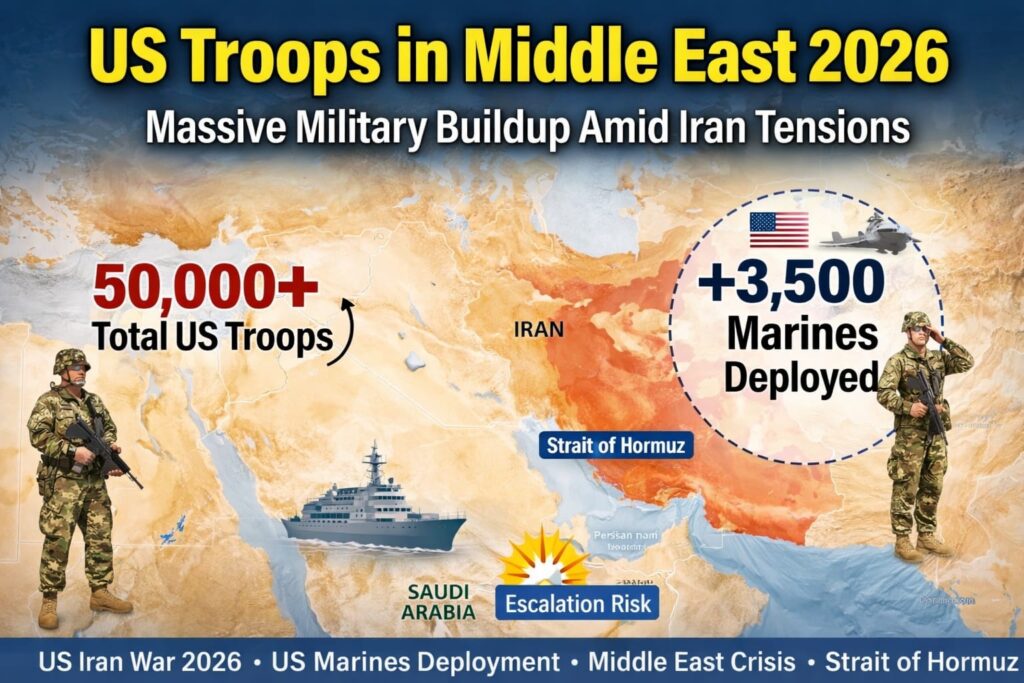
👉 From airstrikes → to troop mobilization → to possible ground readiness
This pattern in US troops in Middle East 2026 is very similar to pre-conflict buildup seen in past wars.
Major global outlets like 👉 BBC have also highlighted rising tensions and troop movements as a sign of escalation.
🔥 What People Are Missing
- This is not sudden
Troop buildup started weeks ago (2,500 → 3,500 → more units) - It’s about leverage
Military presence gives the US negotiation power - Ground option is being prepared quietly
Even if publicly denied
My Perspective / Expert View
In my expert view, the scale of US troops in Middle East 2026 suggests preparation for multiple conflict scenarios. This is a classic “pressure strategy”.
When I analyzed similar conflicts:
- Iraq War buildup
- Afghanistan deployments
The pattern is similar:
👉 First air dominance
👉 Then troop positioning
👉 Then decision point
However, this time there’s a twist:
👉 Iran has strong missile + drone capabilities
👉 Any ground war could be much more dangerous
So I believe:
- This is not yet a full war escalation
- But it is definitely a high-risk phase
What Happens Next?
If US troops in Middle East 2026 continue to increase, the probability of direct engagement will rise significantly. Based on current developments, I see three possible scenarios:
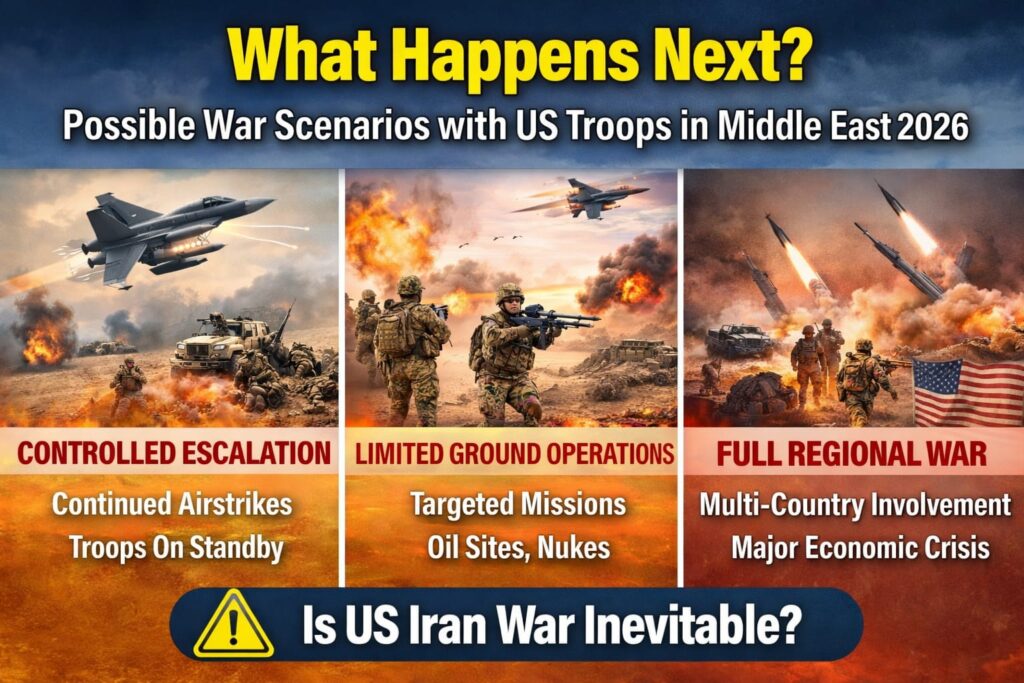
1. Controlled Escalation (Most Likely)
- Continued airstrikes
- Troops remain on standby
2. Limited Ground Operations
- Targeted missions (oil sites, nuclear facilities)
3. Full-Scale Regional War (Worst Case)
- Multi-country involvement
- Major economic disruption
Right now, the situation is volatile but not irreversible.
Conclusion
When I step back and analyze the full picture of US troops in Middle East 2026, it becomes clear that this is a turning point. This deployment is not just strategic positioning — it could define the next phase of global conflict.
The deployment of 3,500 Marines signals readiness, not necessarily war — but the risk level has clearly increased.
👉 My final takeaway:
This situation is entering a decisive stage, and what happens next could reshape global geopolitics, oil markets, and regional stability.
If you want to understand how such geopolitical tensions affect markets, I recommend reading my analysis on 👉 Rupee crash and recovery explained
FAQs
Q1. How many US troops are in the Middle East in 2026?
In my analysis, over 50,000 US troops are currently deployed in the region.
Q2. Why did the US send 3,500 Marines?
To strengthen military readiness and prepare for possible escalation or ground operations.
Q3. Is the US planning a ground invasion?
There is no official confirmation, but preparations suggest the option is being considered.
Q4. What is the role of Marine Expeditionary Units?
They are rapid-response forces used for combat, evacuation, and crisis operations.
Q5. Will this affect oil prices?
Yes — rising tensions have already pushed oil prices sharply higher globally.
Also Read : More Trending News Related news update on Trending News Adda.