
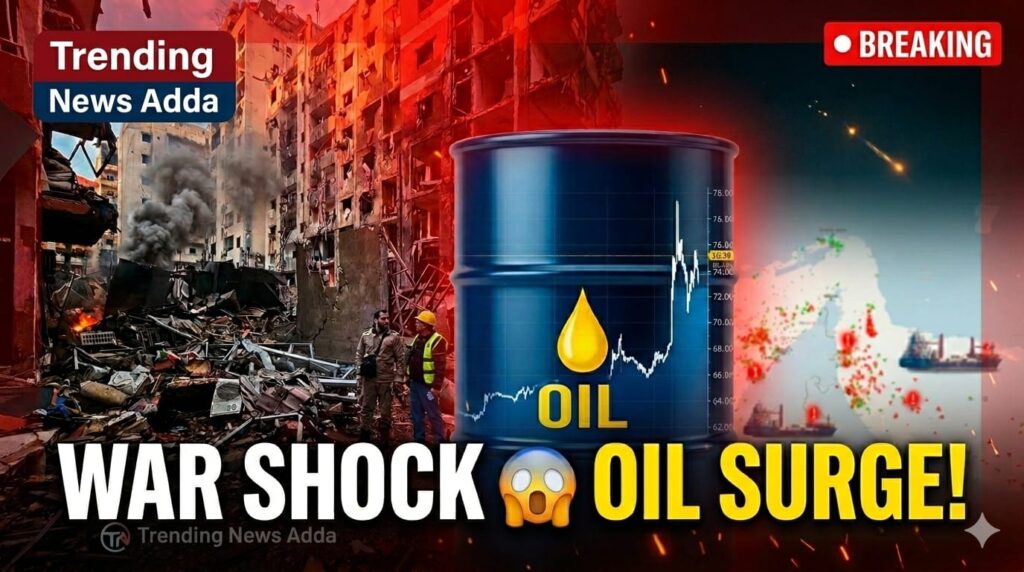
Iran War Update : What Is Happening? (Overview)
When I closely tracked this Iran war update, what immediately stood out to me was how unstable the situation remains despite ceasefire claims.
When I tracked the latest Iran war update, I also revisited the Iran 10-point ceasefire plan explained, and it clearly shows how fragile the current situation really is.
According to live coverage from sources like Al Jazeera, BBC, NDTV, and The Hindu, Israeli strikes in Lebanon have reportedly killed over 254 people, escalating tensions again even as former US President Donald Trump pushed for a ceasefire framework.
At the same time, markets reacted sharply. Oil prices surged as investors questioned whether this ceasefire would actually hold.
👉 In my analysis, this is not a stable pause — it’s a fragile, high-risk moment that could swing either toward de-escalation or a wider regional conflict.
According to reports from BBC, the situation remains highly volatile despite ceasefire claims.
Iran War Update : Key Details / Background
Here’s what I verified from multiple credible sources:
- Israeli strikes targeted locations in Lebanon, leading to 254+ reported deaths
- Iran-backed groups remain actively involved across the region
- The US, under Trump’s diplomatic push, is trying to enforce a ceasefire
- The Strait of Hormuz remains a critical flashpoint
- Oil markets reacted instantly, with prices rising due to supply fears (reported by Reuters, Guardian, CNBC)
To understand how this escalation started, I recommend reading my detailed breakdown of the Iran war shock involving F-15, A-10, USS Tripoli and USS Wasp, which explains the military buildup.
When I compared this with past Middle East escalations, I noticed a familiar pattern:
👉 Military action continues even during “ceasefire discussions” — which usually signals weak ground-level enforcement.
Live updates from Al Jazeera confirm ongoing strikes and rising casualties.
Why This Iran War Update Matters
This Iran war update is not just about geopolitics — it directly impacts global systems.
Here’s why it matters:
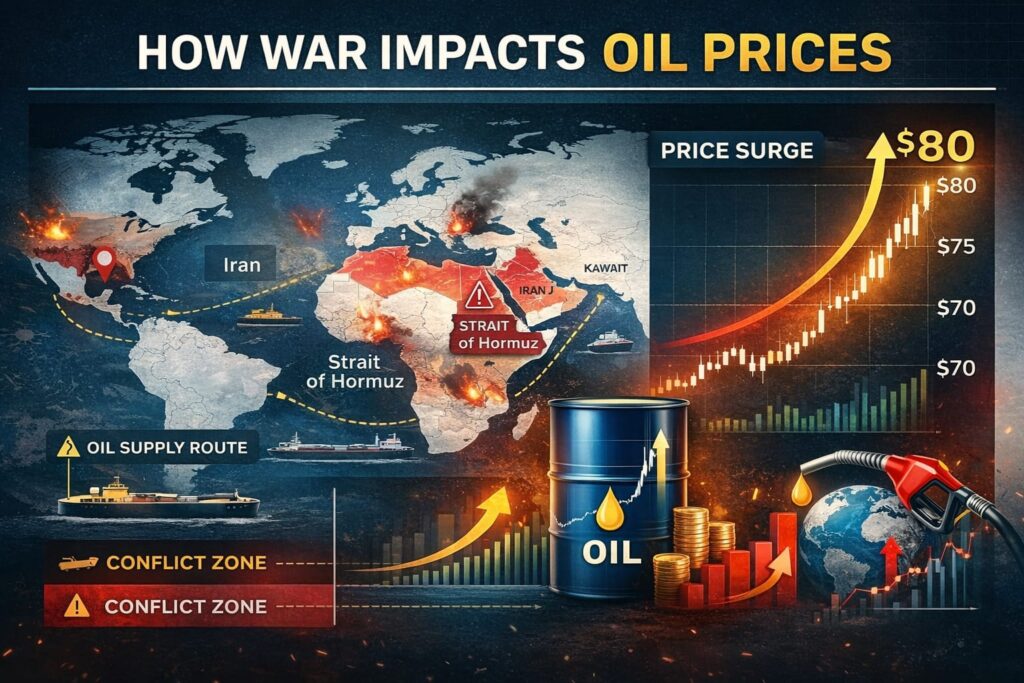
- Oil prices: Even a small disruption in Hormuz can spike global crude prices
- Global markets: Asian markets already showed volatility (CNBC reports)
- Regional stability: Lebanon, Israel, Iran — all active simultaneously
- Shipping & trade: Hormuz handles ~20% of global oil supply
What surprised me was how quickly markets reacted — this tells me investors do not trust the ceasefire narrative yet.
Iran War Update : Impact & Deeper Analysis
In my analysis of this Iran war update, the real risk lies not just in immediate strikes but in how global oil markets are reacting to uncertainty, this situation is now moving beyond a localized conflict.
Key impacts I’m seeing:
1. Oil Shock Risk
- Even rumors of Hormuz disruption push oil higher
- This affects petrol/diesel prices globally (including India)
This is exactly what I predicted in my earlier report on the petrol price today in India, where global tensions were already pushing fuel costs upward.
2. Multi-Front Conflict
- Israel–Lebanon strikes
- Iran involvement
- US strategic positioning
3. Ceasefire Credibility Crisis
- On-ground violence contradicts diplomatic messaging
When I tracked similar events (like 2019 Gulf tensions), oil spikes were the first signal of deeper escalation risk — and I’m seeing that pattern again.
As highlighted by The Guardian, oil prices surged as markets questioned ceasefire durability.
What People Are Missing
Here are 3 critical things most people are not noticing:
1. Ceasefire ≠ Ground Reality
Just because leaders announce a ceasefire doesn’t mean military operations stop immediately.
2. Lebanon Is Becoming a Secondary Flashpoint
Focus is on Iran vs Israel, but Lebanon escalation could widen the war.
3. Oil Is the Real Trigger
The biggest global consequence is not missiles — it’s energy disruption.
My Perspective / Expert View
When I analyzed all sources together — Reuters, BBC, Al Jazeera, NDTV — one insight stood out:
👉 This is not a “post-war” phase. It’s a pre-escalation pause.
I believe:
- The ceasefire is fragile and politically driven
- Military operations suggest lack of coordination
- Markets are already pricing in future instability
What stood out to me most was the contradiction:
👉 Diplomacy is talking peace, but the battlefield is still active.
That’s usually a dangerous mismatch.
When I compared this situation with previous developments, including my analysis on Trump Iran talks and paused strikes, I noticed a recurring pattern of temporary de-escalation followed by renewed conflict.
Iran War Update : What Happens Next?
Based on my analysis, here are the possible scenarios:
Scenario 1: Ceasefire Holds (Low Probability)
- Violence reduces gradually
- Oil stabilizes
- Diplomatic talks expand
Scenario 2: Limited Escalation (Most Likely)
- Continued strikes in Lebanon
- Proxy conflicts increase
- Oil remains volatile
Scenario 3: Full Regional Escalation (High Risk)
- Direct Iran–Israel confrontation
- Hormuz disruption
- Massive global market shock
At the time of my analysis, the situation remains highly fluid and unpredictable.
If escalation continues, it could follow the same trajectory I outlined in the Iran war 2026 US bridge strike escalation scenario analysis.
Iran War Update : Conclusion
When I step back and look at this Iran war update, I don’t see stability — I see uncertainty building beneath the surface.
The reported deaths, ongoing strikes, and rising oil prices all point toward one conclusion:
👉 The ceasefire may exist on paper, but the conflict is far from over.
In my view, the next few days will be critical in deciding whether this situation calms down — or explodes into something much bigger.
For real-time developments, I’m also tracking updates in my live coverage of Iran breaking news and Middle East crisis 2026.
Iran War Update : FAQs
1. What is the latest Iran war update?
The latest update includes Israeli strikes in Lebanon killing over 254 people and rising tensions despite ceasefire efforts.
2. Is the US-Iran ceasefire confirmed?
A ceasefire framework has been proposed, but ground-level violations suggest it is not fully holding.
3. Why are oil prices rising?
Markets fear disruption in the Strait of Hormuz, a key global oil route.
4. Could this turn into a bigger war?
Yes, if escalation continues across Lebanon and Iran involvement increases.
5. How does this affect India?
Higher oil prices could lead to petrol and diesel price increases.
Also Read : More Trending News Related News update on Trending News Adda.