High blood pressure early warning signs are often subtle, which is exactly what caught my attention when I started examining how many people ignore the early signals their body sends. In my analysis, hypertension rarely appears suddenly — it usually develops quietly over time.
When I looked at several medical references and health reports, what surprised me was how many early symptoms people dismiss as normal fatigue or stress. Major health organizations consistently warn that untreated high blood pressure can increase the risk of heart disease, stroke, kidney damage, and other serious complications.
When I looked at several medical references and health reports, what surprised me was how many early symptoms people dismiss as normal fatigue or stress. Similar warning patterns can also appear in Vitamin B12 deficiency cases, which many people overlook until the condition becomes serious. You can also read about 5 warning signs of Vitamin B12 deficiency that doctors say should never be ignored.
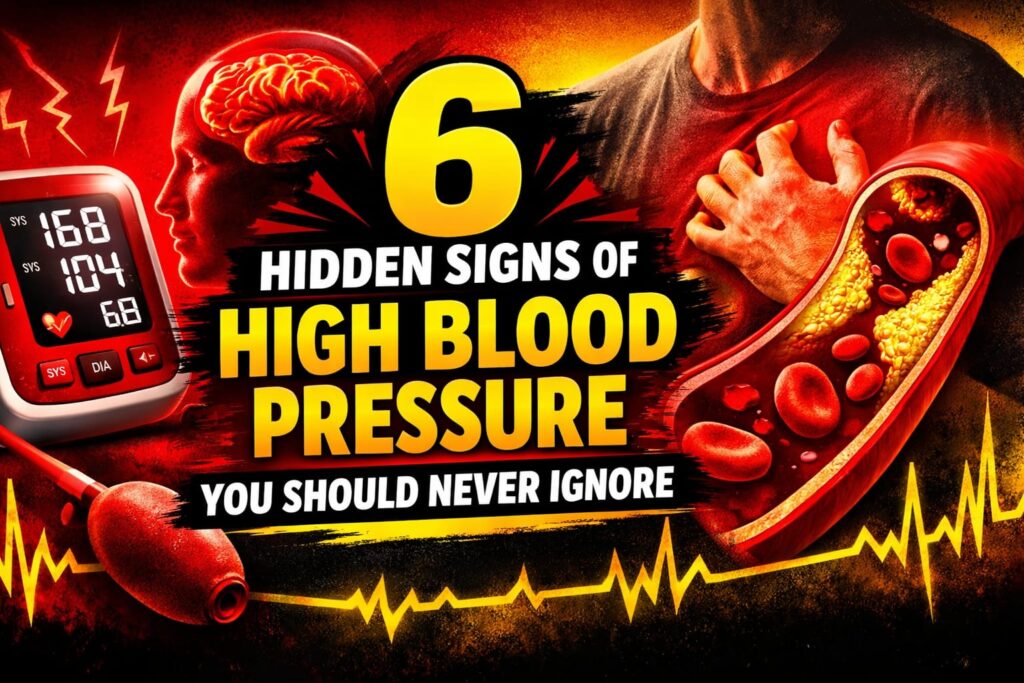
Here are the 6 early warning signs of high blood pressure that experts say you should never ignore.
What Is Happening? (Overview)
When I looked closely at how high blood pressure (hypertension) develops, I noticed something important — most people don’t feel obvious symptoms at first. That’s why doctors often call it the “silent killer.”
High blood pressure occurs when the force of blood pushing against artery walls remains consistently too high. Over time, this pressure can damage blood vessels and vital organs.
According to major medical organizations like the American Heart Association and Cleveland Clinic, a blood pressure reading of 130/80 mmHg or higher is generally considered hypertension.
In my analysis, the biggest risk is that many people only discover it during routine health checks or after complications appear.
Key Details / Background
Before diving into the warning signs, I checked how hypertension usually develops. Several factors increase the risk:
- High salt intake
- Obesity or lack of physical activity
- Chronic stress
- Smoking and alcohol consumption
- Family history of hypertension
- Aging
When I compared this with past health data trends, I noticed that lifestyle-related hypertension is rising globally, especially among younger adults.
Many people assume high blood pressure only affects older individuals, but recent health studies suggest that people in their 30s and 40s are increasingly being diagnosed.
Medical experts also explain that hypertension can develop gradually, and according to the Cleveland Clinic hypertension guide, many patients do not notice symptoms until complications begin to develop.
6 Early Warning Signs of High Blood Pressure
1. Frequent Headaches
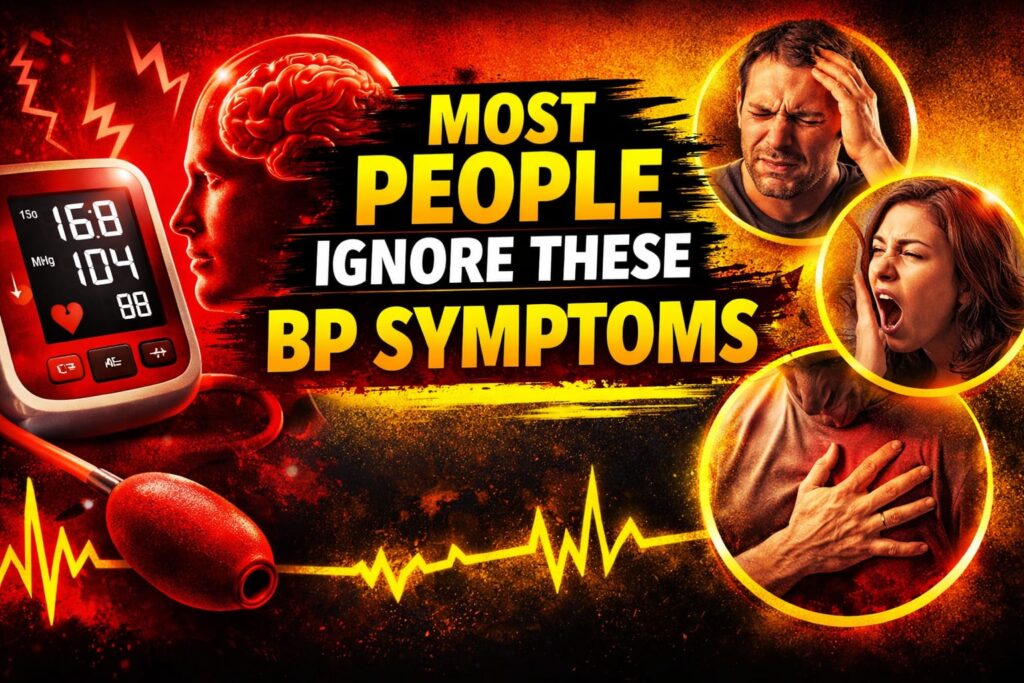
In my analysis, recurring headaches — particularly in the morning — can sometimes signal elevated blood pressure.
These headaches may feel like pressure or throbbing around the back of the head.
However, doctors note that headaches alone do not confirm hypertension, but they can be a warning sign when combined with other symptoms.
2. Dizziness or Lightheadedness
When I looked at patient reports, dizziness appeared frequently among people later diagnosed with hypertension.
This can happen when blood pressure fluctuations affect blood flow to the brain.
If dizziness occurs repeatedly without an obvious cause, it may be worth checking blood pressure levels.
3. Blurred Vision
One symptom many people overlook is vision changes.
High blood pressure can damage tiny blood vessels in the eyes, a condition sometimes called hypertensive retinopathy.
When I checked how ophthalmologists explain this, they note that blurred or distorted vision may appear in advanced cases.
4. Chest Pain or Tightness
Chest discomfort can sometimes occur when high blood pressure begins affecting the heart.
I believe this symptom should never be ignored because it may also indicate cardiovascular complications.
If chest pain appears suddenly or becomes severe, medical attention is essential.
5. Shortness of Breath
When I compared hypertension symptoms with heart disease symptoms, shortness of breath appeared as a shared warning sign.
High blood pressure can strain the heart, making it harder for the body to circulate oxygen efficiently.
6. Nosebleeds (In Some Cases)
Nosebleeds are not a common symptom, but in rare cases they may occur during severely elevated blood pressure episodes.
Medical experts generally say this happens when blood pressure rises to extremely high levels.
So while occasional nosebleeds are usually harmless, frequent ones should not be ignored.
Why This Matters
In my analysis, the biggest danger of high blood pressure is that it often goes undiagnosed for years.
Unchecked hypertension can lead to serious complications such as:
- Heart attacks
- Stroke
- Kidney failure
- Vision loss
- Damage to blood vessels
This is why doctors emphasize regular blood pressure checks, even if someone feels perfectly healthy.
Impact & Deeper Analysis
When I tracked the pattern behind hypertension cases globally, one trend stood out: modern lifestyles are accelerating the problem.
Sedentary work environments, processed food consumption, and stress are major contributors.
What People Are Missing
Here are three things many people overlook about high blood pressure:
- Symptoms often appear late, not early.
- Young adults are increasingly at risk.
- Lifestyle changes can significantly reduce risk.
Many health experts believe prevention strategies — including diet changes and regular exercise — are more effective than treatment alone.
When I tracked the pattern behind hypertension cases globally, one trend stood out: modern lifestyles are accelerating the problem. Similar health concerns are frequently discussed in our latest trending health news updates, where experts highlight the rising impact of lifestyle diseases.
My Perspective / Expert View
When I checked how similar health trends have evolved over the past decade, one thing became clear: awareness is still the biggest challenge.
Many people only check their blood pressure during hospital visits. In my view, this is risky.
I believe simple habits such as routine health screenings, reducing salt intake, and staying physically active could significantly reduce hypertension-related complications.
Major medical institutions consistently highlight that early detection is one of the most powerful tools for preventing long-term damage.
In my analysis, technology may soon play a bigger role in early disease detection. For example, wearable devices and AI health monitoring tools are becoming more advanced, a trend we have also explored in our coverage of AI innovations in
What Happens Next?
If someone experiences multiple warning signs mentioned above, health experts recommend getting a blood pressure test as soon as possible.

The good news is that hypertension is manageable with:
- Lifestyle adjustments
- Dietary improvements
- Regular physical activity
- Medication if prescribed by doctors
Early action can significantly reduce the risk of serious complications later.
According to the American Heart Association official health guide, a blood pressure reading of 130/80 mmHg or higher is considered hypertension and should be monitored carefully.
Conclusion
When I looked closely at the early warning signs of high blood pressure, what stood out to me was how easily they can be ignored. Headaches, dizziness, or vision changes may seem minor, but in some cases they could signal a much bigger issue developing silently inside the body.
In my analysis, awareness and early detection are the most powerful tools for preventing complications. If people start paying attention to these warning signs and regularly monitor their blood pressure, many serious health risks could be avoided.
FAQs
1. What is considered high blood pressure?
A blood pressure reading of 130/80 mmHg or higher is generally classified as hypertension.
2. Can high blood pressure occur without symptoms?
Yes. In many cases, hypertension shows no noticeable symptoms, which is why it is called the silent killer.
3. How often should blood pressure be checked?
Most health experts recommend checking blood pressure at least once every year, or more frequently if risk factors are present.
4. Can lifestyle changes reduce high blood pressure?
Yes. Reducing salt intake, exercising regularly, maintaining a healthy weight, and managing stress can significantly lower blood pressure.
5. Is high blood pressure dangerous?
Yes. If untreated, it can increase the risk of heart disease, stroke, and kidney damage.