
Khamenei Killed in Air Strike — this shocking development has pushed the Iran-US conflict into one of its most dangerous phases in recent history. When I looked at the morning headlines today, it was clear this wasn’t just another international story — this was history unfolding. Reports from multiple major news outlets indicate that Ayatollah Ali Khamenei, the Supreme Leader of Iran, has been killed in a joint U.S. and Israeli air and missile strike on Iran, thrusting the already volatile Middle East into an even more dangerous phase.
The news that Khamenei was killed in an air strike marks one of the most dramatic turning points in modern Middle East history, escalating the Iran-US conflict into an unpredictable and dangerous phase.
This has instantly become the defining global security story of 2026 — rivaling the most consequential geopolitical shifts of the last decade. The phrase Khamenei Killed in Air Strike is now dominating global search trends as governments and analysts assess the scale of this escalation.
How Khamenei Killed in Air Strike Changed the Iran-US Conflict
According to Iranian state television, Khamenei died after U.S. and Israeli forces carried out coordinated strikes on Tehran and other strategic targets. The announcement came hours after initial reports from Western officials and Israeli leadership suggested the Supreme Leader was killed. Islamic Republic media declared a 40-day mourning period following the confirmation of his death.
On the ground, explosions and attacks have continued beyond Iran’s borders — notably in the Persian Gulf and key Gulf Cooperation Council states. News agencies report that strikes hit cities such as Dubai, Doha, and Manama, indicating the conflict is no longer confined to Iran’s territory alone. Experts believe the impact of Khamenei Killed in Air Strike will reshape diplomatic alliances across the Middle East.
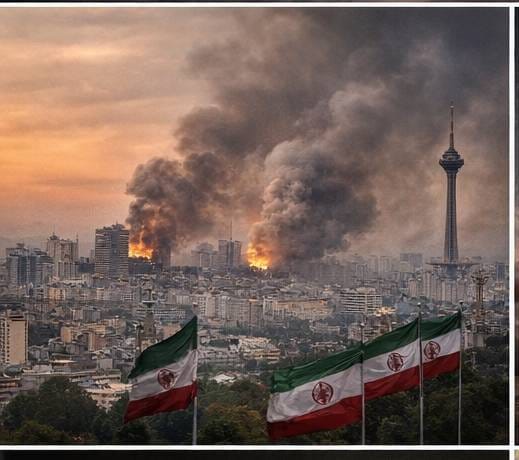
This pivotal event was also confirmed by multiple respected international outlets, which have been reporting on multiple fronts:
- Reuters journalists cited Israeli officials and U.S. commentary indicating Khamenei was among those killed.
- The Guardian confirmed state media acknowledgment and ongoing conflict escalation.
- Ongoing live coverage details that Iran has responded with its own multi-pronged strikes across the region.
From my professional view, the breadth of these reports — coming from state media, independent global news outlets, and direct official statements — forms a consistent picture: we are witnessing the death of a major political figure and the escalation of a full-scale conflict.
Who Was Ayatollah Ali Khamenei?
Ayatollah Ali Khamenei was not an ordinary political leader — he was the highest authority in the Islamic Republic since 1989, following the death of Ayatollah Ruhollah Khomeini. As Supreme Leader, he wielded supreme religious, military, and political power in Iran for more than 35 years, shaping the country’s foreign policy, defense strategy, and internal governance.
Under his leadership, Iran developed its controversial nuclear program, backed regional proxy forces, and engaged in ongoing confrontations with the United States, Israel, Saudi Arabia, and other regional rivals. His death marks the first time in over a century that an Iranian head of state has been assassinated amid conflict, a development with seismic consequences for the wider Middle East.
The Operation: Epic Fury and Roaring Lion
The air assault — described internally by U.S. and Israeli sources as “Operation Epic Fury” and “Operation Roaring Lion” — was a large-scale daytime offensive that combined missiles, aircraft, and other military assets to target Iranian leadership facilities. Satellite imagery and intelligence tracking reportedly identified key command centers in Tehran, including Khamenei’s secure compound. Shortly thereafter, senior American and Israeli leaders stated the operation had succeeded in eliminating the primary target.
U.S. President Donald Trump and Israeli Prime Minister Benjamin Netanyahu both publicly referenced Khamenei’s death and framed it as a major blow to Iran’s regime — though international and Iranian reactions have ranged from condemnation to calculated silence.
Immediate Aftermath: Retaliation and Regional Escalation
The reaction has been swift and dramatic:
- Iran retaliated with ballistic missile and drone attacks on U.S. and allied military bases across the Gulf, including Bahrain, Kuwait, Qatar, and the UAE.
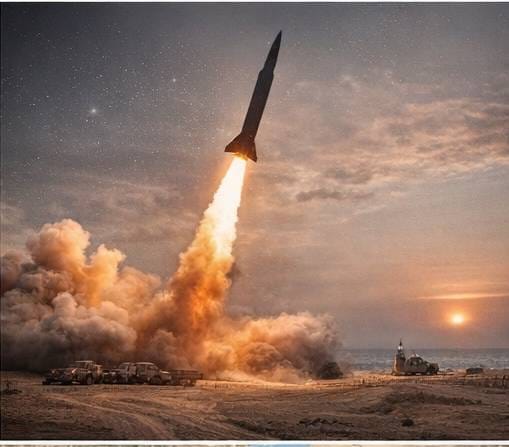
- Explosions were reported in Gulf capitals such as Doha (Qatar), Manama (Bahrain), and Dubai (UAE), raising fears of a wider conflagration.
- Global markets are already showing signs of turmoil as investors adjust to the prospect of sustained conflict in one of the world’s most strategically vital regions.
This retaliation isn’t merely symbolic. The geopolitical consequences of Khamenei Killed in Air Strike are now being closely monitored by military analysts worldwide. It has already resulted in casualties and heightened alert levels across multiple countries — a ripple effect that underscores how deeply interconnected today’s conflict has become.
International Reactions: Division and Condemnation
Global responses have been rapid and divided:
- Iranian leaders called the attack an act of aggression and vowed that revenge is a “legitimate duty,” signaling possible future offensives.
- Russia’s President described the killing as a “cynical violation of all norms of human morality and international law,” criticizing the joint strike while stopping short of direct military involvement.
- International bodies like the United Nations have called for restraint as tensions spill across borders, warning that the conflict could engulf the entire Middle East. (Context inferred from multiple live reporting trends)
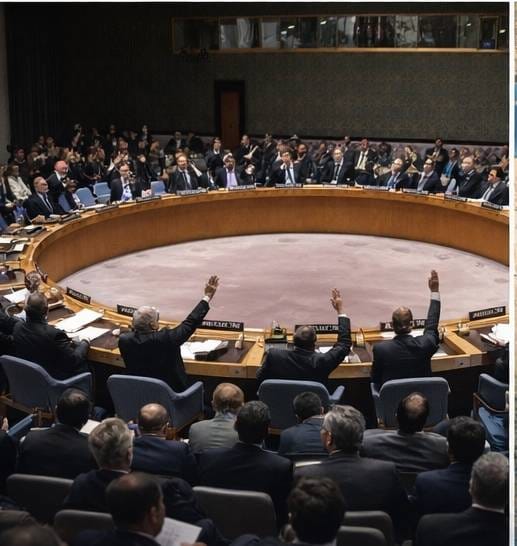
The diplomatic landscape is more fractured than ever, with nations lining up in cautious statements that emphasize deescalation — even as military operations continue unabated.
Political Vacuum and Succession in Iran
With Khamenei gone, Iran faces a leadership vacuum that could redefine its political structure. Historically, the Supreme Leader had final authority over all major state decisions. Now, a transitional council comprising figures such as Iran’s president, judiciary chief, and senior clerics has been tasked with maintaining state functions — but the long-term replacement process remains uncertain. Following Khamenei Killed in Air Strike, uncertainty now surrounds Iran’s future leadership structure.
This uncertainty opens the door for potential infighting within Iran’s elite circles and invites broader regional powers to exert influence over the country’s next phase — raising questions about the future of Iran’s governance and foreign policy.
What This Means for the World
The death of Ayatollah Ali Khamenei is not merely a headline. It is the catalyst for fundamental shifts in global geopolitics:
- Iran’s foreign policy direction will change, potentially fracturing decades of continuity.
- Regional alliances may realign as power balances shift in the Gulf.
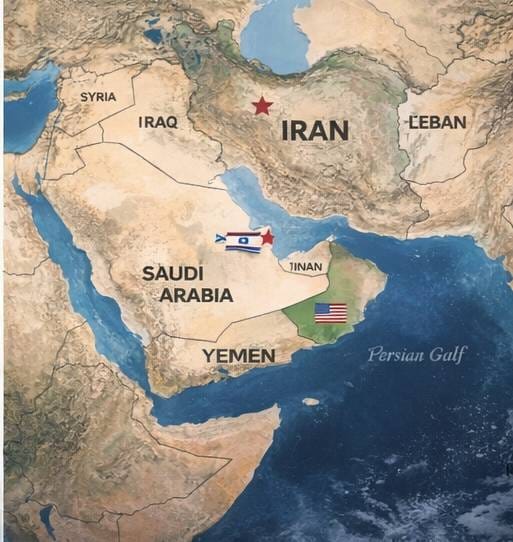
- Global oil markets and economic stability may face sustained disruption.
- Diplomatic efforts to resolve conflicts in Syria, Yemen, Lebanon, and the Persian Gulf are now much more complex.
Many experts believe that Khamenei Killed in Air Strike could alter power dynamics across the Middle East permanently. For policymakers, analysts, and the public, this moment represents not just the end of an era for Iranian leadership — it represents the beginning of a new and highly unstable period in Middle Eastern geopolitics.
Final Thoughts
Reporting on a development of this magnitude is both a responsibility and a challenge. Today’s rapid escalation tells us that the world is entering a phase where conventional diplomatic norms are giving way to direct military confrontation between powerful states. As discussions continue worldwide, the impact of Khamenei Killed in Air Strike remains at the center of global diplomatic and military strategy debates.
Many observers argue that Khamenei Killed in Air Strike marks a historic turning point that could redefine the balance of power between Iran, the United States, and Israel.
As I follow this story, one thing is certain: the death of Ayatollah Khamenei — confirmed by state media and widely reported — will be studied by historians, strategists, and citizens for generations to come.
And as always, we will continue to update this coverage as the situation unfolds — providing factual, verified information you can trust.
Official International Coverage : For global updates, visit Reuters: https://www.reuters.com/
FAQs
1: How was Khamenei killed?
Reports indicate that Khamenei Killed in Air Strike occurred during a coordinated air and missile strike targeting leadership facilities.
2: When did the air strike happen?
The strike reportedly occurred in late February 2026 amid escalating tensions.
3: How is Iran responding?
Iran has declared mourning and launched retaliatory military operations.
4: What does this mean for the Iran-US conflict?
Analysts believe the conflict has entered a highly volatile and dangerous phase.
Also Read : Trending news related on Trending News Adda.